Care for Utah Wildlife
At Wasatch Exotic Pet Care, we recognize that most people care deeply when a wild animal is in distress. Every animal brought to us, whether family pet or wildlife, receives the same thorough examination, diagnostics and medical or surgical care.
Please read below for further information BEFORE calling us, as it will likely answer many questions you may have
BATS
Cases of RABIES have been detected in the Utah bat population. For that reason, we are NOT taking any bats.
For the safety of you and everyone in your community, we encourage you to NOT handle any bats you find. Instead, report them to your local animal control. They will assess the risk of rabies, and will act accordingly.

DO NOT TRY TO PICK UP AN INJURED ANIMAL WITH YOUR BARE HANDS!
There is no way for you to know what illnesses the animal has, nor if it will attack you out of fear or pain. Please do not put your health and safety at risk. Use gloves, and/or a towel if you are the only one who can help them at that time. If you need assistance relocating an injured animal, but are worried for your safety, call your city’s animal control.
Please note, it is also ILLEGAL in the state of Utah to rehab an injured wild animal without the proper licenses, as improperly rehabbing and then releasing the animal threatens the rest of the wild population.
Unfortunately, we are unable to continue offering wildlife care for free. We have been paying from our pockets to treat these animals for years, and financially we cannot offer completely free care anymore. Upon dropping off a wildlife case at our clinic, we charge a nominal fee of $30 to help defray costs. This helps IMMENSELY in allowing us to continue to offer care to Utah’s injured wildlife.
Visit this link to locate a licensed wildlife rehabilitator
Visit this link to locate a humane wildlife removal service
Rehabilitators closest to the Greater Salt Lake area

Baby birds: If you find a baby bird, THERE IS A GOOD CHANCE IT IS NOT INJURED! If there is a nest nearby or parents, DO NOT remove the bird from that area! If the baby bird was born with a defect, the parent bird will often push it out of the nest. This is a classic “Survival of the Fittest” situation, it is sad, but it’s nature and we need to let nature take its course. If it is branching (Learning to fly) they often jump from the nest early, but the parent birds stay close and continue to feed the baby. If you remove the baby from this situation, it is not likely to survive. Unless you see an obvious injury, you need to leave it alone.

Domestic or hybrid ducks/geese, pigeons, domestic rabbits, introduced reptiles: None of these animals (considered “feral”) will be accepted by licensed rehabilitators. Unless they are in obvious need of immediate humane euthanasia, treatment costs and aftercare will be the responsibility of the presenter. If you are not sure that the animal you have rescued is actually wildlife or falls into one of the above categories, you may send us a photo for us to provide identification. Otherwise, an experienced staff member will confirm whether or not the animal is truly native wildlife when you bring it in and advise you of options if it is not a protected native wildlife species.
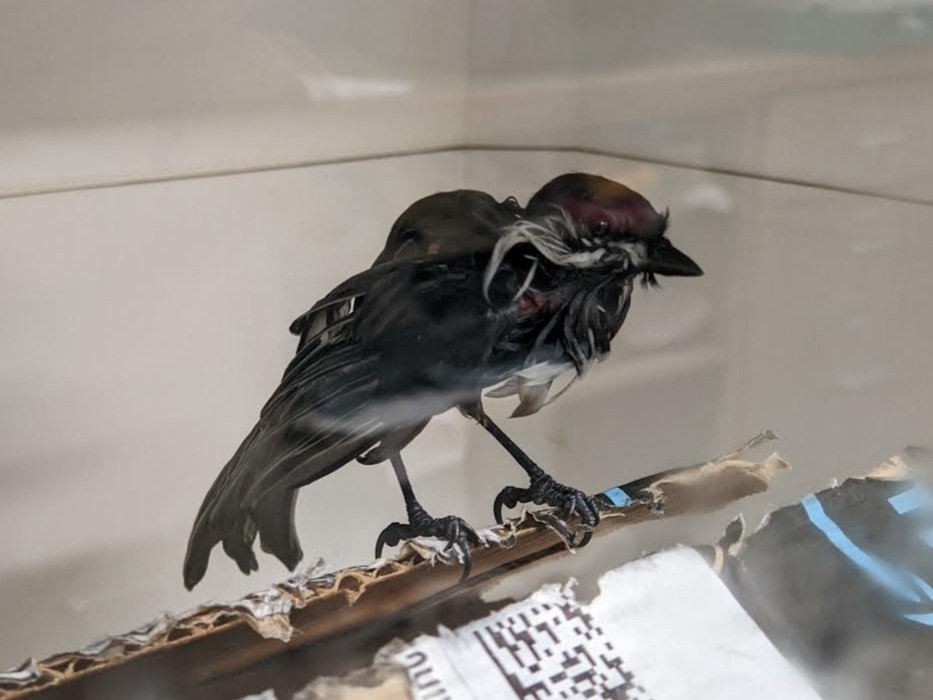
ANIMALS STUCK TO GLUE TRAPS OR OILED: Please do not attempt to treat these animals yourself. We have specialized safe products and the necessary expertise to provide this care, including sedation which can minimize stress and allow for more complete treatment.
PLEASE DO NOT ATTEMPT TO FEED ANY WILDLIFE PRIOR TO BRINGING IN TO US: Each species has very specific dietary needs and giving an improper food is likely to cause harm. Additionally, if an animal is hypothermic, they will not digest any food given to them which will worsen their condition.

Raccoons: We do NOT take in injured raccoons because of the risk of spreading distemper to our ferret patients. Please call your local animal control, and DO NOT HANDLE THE ANIMAL!

Any other wildlife species: Please call us with any additional inquiries, or if you would like to bring a wild animal in. We do still have to take into consideration how many patients we have at the hospital on a given day, so please check before bringing them in. All state- and federally-protected species are transferred to properly licensed rehabilitators as soon as they are medically stabilized.